
The Ultimate Guide to Domestic Relocation: Tips, Tricks, and Expert Advice
Understanding Domestic Relocation in India
Domestic relocation in India comes with its own challenges — varying road conditions, unpredictable weather, apartment regulations, long transit distances, and different state-level rules. A successful home relocation is not just about moving goods from Point A to Point B; it’s about planning, coordination, protection, and accountability at every stage.
Whether you are shifting within the same city or moving across states, a structured relocation approach ensures your belongings reach safely, on time, and without unnecessary stress. Professional packers and movers simplify this complex process by handling packing, loading, transportation, unloading, and even unpacking.

Common Mistakes People Make During Domestic Relocation
Many relocation issues arise not because of distance, but due to poor planning and wrong decisions. Here are mistakes you must avoid:
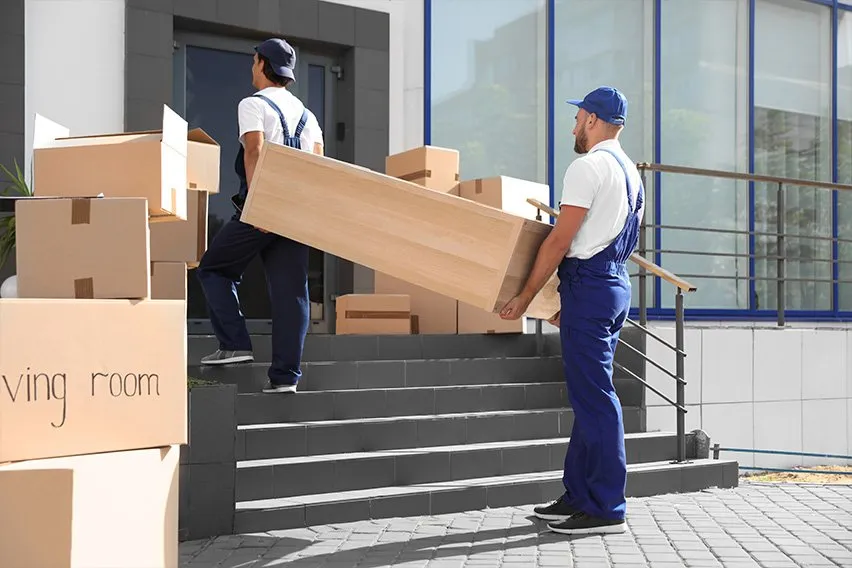
People often underestimate the time required to pack properly, leading to rushed packing and damaged items. Another common error is choosing movers based purely on the lowest price, ignoring experience, reviews, and service quality. Not checking insurance coverage, failing to declare fragile or high-value items, and last-minute address changes are also frequent causes of relocation problems.
Avoiding these mistakes can save you money, time, and frustration.
How Early Planning Reduces Relocation Costs
One of the biggest myths is that moving is always expensive. In reality, early planning significantly reduces costs.
When you book movers in advance, you get better pricing, flexible scheduling, and availability. Early planning also allows you to declutter effectively, reducing the total volume of goods — which directly impacts transportation charges. Additionally, planning ahead avoids emergency packing material purchases and last-minute premium charges.
A well-planned move is always cheaper than a rushed one.
The Importance of Professional Packing Techniques
Packing is not just putting items into boxes — it is a science.
Professional packing ensures weight distribution, shock absorption, moisture resistance, and stacking safety. Household items like wardrobes, beds, washing machines, refrigerators, and TVs require different packing materials and methods. Improper packing leads to scratches, breakage, internal damage, and sometimes total loss.
Using high-quality cartons, bubble wrap, stretch film, foam sheets, and corrugated boxes makes a massive difference in protecting your belongings during transit.
Handling Fragile and High-Value Items Safely
Fragile items such as glassware, mirrors, crockery, electronics, and décor pieces need extra attention. These items are packed individually with cushioning layers and marked clearly for careful handling.
High-value items like jewelry, important documents, laptops, and personal electronics should ideally travel with you rather than in the moving truck. Transparency with your movers about such items ensures proper precautions and accountability.
Furniture Dismantling and Reinstallation
Large furniture pieces are often the most challenging part of relocation.
Professional movers dismantle beds, wardrobes, modular furniture, and workstations to ensure safe loading and space efficiency. Each component is packed, labeled, and reassembled at the destination. This reduces damage risk and saves significant effort for homeowners.
Furniture dismantling and reinstallation also help in navigating narrow staircases, elevators, and entryways.
Transportation and Transit Safety Measures
During transportation, goods face risks from road conditions, braking, vibrations, and weather changes. Professional moving vehicles are designed to secure items using ropes, belts, and padding to prevent shifting during transit.
For long-distance domestic relocation, route planning, driver experience, and vehicle condition play a critical role in ensuring timely and safe delivery. Reliable movers follow transit safety protocols and provide tracking or regular updates for peace of mind.
Insurance Coverage: Why It Matters
Many people ignore transit insurance, assuming nothing will go wrong. That’s a risky assumption.
Insurance provides financial protection against accidental damage, theft, or loss during transportation. Even with the best precautions, unforeseen events can occur. Opting for insurance ensures you are not left bearing the loss.
Always ask about insurance options, coverage limits, and claim procedures before finalizing your move.
Apartment and Society Moving Guidelines
Most apartments and gated communities have specific moving rules. These may include:
Pre-approved move-in and move-out timings
Lift reservations
Security deposits
Entry permissions for moving vehicles
Coordinating these requirements in advance prevents delays and conflicts on moving day. Professional movers are familiar with such protocols and help manage the process smoothly.
Post-Relocation Checklist for a Smooth Transition
Once your belongings reach the destination, the job isn’t over yet.
Inspect items for damage before signing delivery documents. Prioritize unpacking essential rooms such as the bedroom and kitchen. Update your address with banks, government IDs, employers, and service providers. Set up utilities like electricity, water, internet, and gas as early as possible.
Taking these steps ensures you settle into your new home quickly and comfortably.
Why Choosing the Right Packers and Movers Makes All the Difference
Domestic relocation can either be a nightmare or a smooth experience — the difference lies in choosing the right moving partner.
A professional packers and movers company brings experience, trained manpower, quality materials, systematic processes, and customer accountability. Instead of dealing with multiple vendors, delays, and damages, you get a single, reliable solution for your entire move.